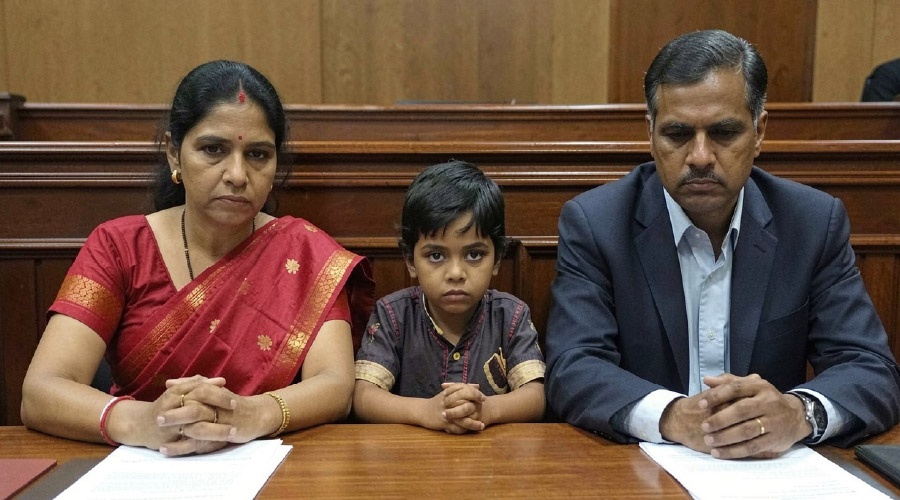
Child custody disputes in NRI divorce cases are among the most emotionally charged and legally complex matters in Indian family law. When parents are in different countries, or when a child is taken to India without consent, the stakes are high and the legal terrain is unfamiliar to most NRI parents. This article explains how Indian courts approach these cases and what factors influence their decisions.
In every child custody matter, Indian courts apply one overriding principle: the best interests and welfare of the child. This is the paramount consideration above all others, including the wishes of either parent.
The Legal Framework for Child Custody in India
Child custody in India is governed by:
- Guardians and Wards Act, 1890 — the primary legislation applicable to all religions
- Hindu Minority and Guardianship Act, 1956 — for Hindu families
- Personal laws applicable to respective religions for Muslim, Christian, and Parsi families
- The Special Marriage Act, 1954 — for civil marriages
Factors Indian Courts Consider
When deciding NRI child custody disputes, Indian courts evaluate:
- Age and gender of the child — the tender age doctrine generally favours the mother for very young children (under 5), though this is not absolute
- Child's own preference — given significant weight for older children, especially teenagers
- Emotional bond — which parent has been the primary caregiver
- Financial and emotional stability of each parent
- Education and healthcare access — which parent can better provide for the child's developmental needs
- Cultural continuity — maintaining the child's ties to Indian culture and extended family
- History of domestic violence or abuse — a decisive factor against the abusive parent
- Status of existing schooling and social life — courts are reluctant to disrupt a settled life
When a Child is Taken to India Without Consent
This is one of the most urgent NRI child custody scenarios. If your spouse has taken your child to India without your knowledge or consent, immediate legal action is critical. Available remedies include:
- Habeas Corpus petition in the High Court — seeking the immediate production and return of the child
- Interim custody application in the Family Court — seeking temporary custody pending final hearing
- Passport impoundment — courts can order the child's passport impounded to prevent removal from India
- Look-out notice — preventing the other parent from leaving India with the child
Time is absolutely critical in these situations. Contact a lawyer immediately — delays significantly reduce the chances of a swift resolution.
India and the Hague Convention
India is not yet a signatory to the Hague Convention on the Civil Aspects of International Child Abduction. This means the automatic return mechanism available in signatory countries does not apply when a child is brought to or retained in India. However, Indian courts have increasingly adopted the principles of the Convention in their judgments, particularly the principle that a child should ordinarily be returned to their country of habitual residence. The Supreme Court of India has issued several landmark judgments on this issue that effectively apply Hague-style reasoning.
When a Child is Taken Abroad Without Consent
If your child has been taken to a country that is a Hague Convention signatory (such as the UK, USA, Australia, Canada, or most European nations), you can apply through that country's Central Authority for the child's return. An application to the foreign court can run in parallel with proceedings in India. We coordinate with foreign legal counsel in such cases.
NRI Parent Seeking Visitation Rights
If you are the non-custodial parent living abroad, Indian courts can grant structured visitation rights including:
- Regular video/phone contact schedules
- In-person visitation during your India visits
- Permission for the child to travel abroad to visit you (subject to conditions)
Enforcement of Foreign Custody Orders in India
Foreign custody orders are not automatically enforceable in India. An Indian court will independently assess what is in the child's best interests at the time of the application — it will consider the foreign order as a factor, but is not bound by it. This is why having experienced Indian legal representation is essential even when you have a foreign court order in your favour.
NRI child custody disputes require immediate, experienced legal action. Every day of delay in a child abduction situation can affect the outcome. Contact us as soon as you become aware of an issue involving your child.